Abu Saeed Abolkheyr: The Sufi Poet of Divine Ecstasy
The Mystic Who Danced Before God
Abu Saeed Abolkheyr (967 to 1049 CE) stands as one of Persian Sufism’s most captivating figures, a poet-mystic whose spontaneous verses and radical spiritual practices helped shape the trajectory of Islamic mysticism. Born in Mayhana, a village in northeastern Persia (present-day Turkmenistan), Abu Saeed lived during a pivotal century when Sufism was crystallizing into distinct orders and literary traditions. Unlike many of his contemporaries who wrote in Arabic, Abu Saeed championed Persian as a vehicle for mystical expression, making the ineffable accessible to ordinary seekers.
A Life of Transformation and Controversy
Abu Saeed’s early life followed the conventional path of Islamic scholarship. He studied jurisprudence and hadith, but at age forty, after encountering the teachings of various Sufi masters, he underwent a profound spiritual transformation. He abandoned formal religious scholarship for the direct experience of divine love, a decision that scandalized the orthodox religious establishment of his time.
His khānaqāh (Sufi lodge) in Nishapur became legendary for its unconventional practices. He encouraged music and sama’ (spiritual listening), allowed women to attend gatherings unveiled, and famously declared that ritual prayer was unnecessary for those who had attained union with the Divine. These positions brought him into conflict with prominent scholars, including al-Qushayri, yet also attracted thousands of devoted followers.
The Poetry of Spiritual Intoxication
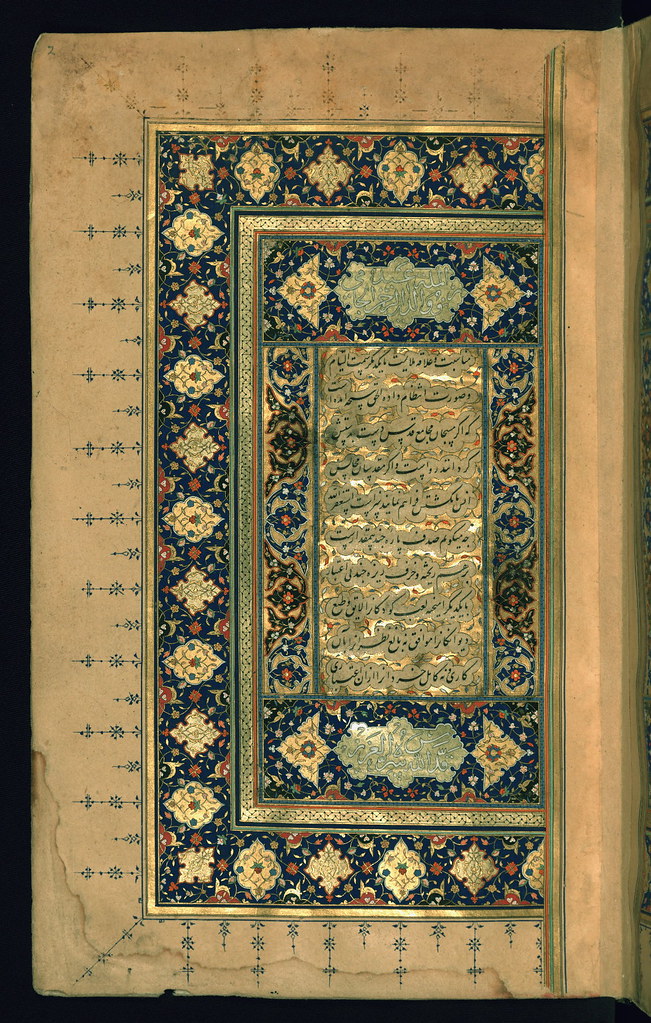
Abu Saeed is credited with popularizing the rubā’ī (quatrain) as a mystical form. While the attribution of specific quatrains remains debated (many were likely composed by disciples or later attributed to him), the poems associated with his name capture an ecstatic, spontaneous quality that distinguishes them from more formal mystical poetry.
His verses speak of annihilation in God (fanā), divine intoxication, and the paradoxes of mystical experience. They’re remarkably direct, often employing everyday language and imagery rather than elaborate metaphor. This accessibility made his poetry perfect for oral transmission and memorization, allowing Sufi ideas to spread beyond elite scholarly circles.
Since I saw Your face, both worlds became forgotten,
In one eye, a thousand tears; in one heart, a hundred thoughts.
The world trembles from Your glory’s manifestation,
Yet still I say: show me, for I have not seen enough.
The Philosopher of Divine Unity
Abu Saeed’s mystical philosophy centered on the radical doctrine of unity (tawhid). For him, true monotheism meant recognizing that only God exists, all apparent multiplicity is illusion. This led to his controversial statements about the irrelevance of ritual for the spiritually realized, since where there is only God, who performs the ritual and for whom?
His teachings emphasized direct experience over book knowledge, love over law, and the transformation of character over external observance. He famously said that true Sufism consists of three things: generosity like the ocean’s, compassion like the sun’s, and humility like the earth’s. These practical virtues, rather than ecstatic states or mystical visions, marked the genuine mystic.
Wisdom Through Story
Much of what we know about Abu Saeed comes from Asrār al-Tawhīd (Secrets of Unity), a hagiography compiled by his descendant Muhammad ibn Monavvar a century after his death. This text preserves not systematic philosophy but stories, sayings, and anecdotes that reveal his teaching style: witty, paradoxical, and designed to shatter conventional thinking.
These narratives influenced the later development of Persian Sufi literature, particularly the anecdotal style of Rumi’s Masnavi. Abu Saeed’s emphasis on spiritual presence and the sanctity of the moment anticipated the teachings of later mystical poets.
A Legacy Beyond Attribution
Whether or not specific quatrains originated with Abu Saeed himself, his historical importance is undeniable. He helped establish Persian as a legitimate language for spiritual discourse, demonstrated that mystical insight could be expressed in simple vernacular forms, and created a model of the charismatic Sufi master that influenced centuries of Islamic mysticism.
For diaspora readers today, Abu Saeed offers a reminder that Persian poetry’s spiritual dimension isn’t merely metaphorical or aesthetic, it emerges from lived traditions of seeking, questioning, and experiencing the divine. His life embodies the tension between orthodoxy and ecstasy, law and love, tradition and transformation that continues to resonate in conversations about spirituality and authenticity.