Baba Taher: The Wandering Mystic of Hamadan's Mountains
The Naked Fakir of Hamadan
In the rugged mountains of western Iran, where the Zagros range meets the ancient city of Hamadan, lived a poet whose verses would echo through centuries despite, or perhaps because of, their radical simplicity. Baba Taher Oryan (باباطاهر عریان), known as “the Naked” for his ascetic way of life, composed some of Persian literature’s most moving mystical poetry in the 11th century CE. While his contemporaries crafted elaborate ghazals in courtly Persian, Baba Taher sang in the Luri dialect, creating do-bayti (دوبیتی) quatrains that spoke directly to the human condition.
A Life Shrouded in Legend
Historical records of Baba Taher’s life are sparse, wrapped in the same mystical haze that pervades his poetry. Most scholars place him in the late 10th to early 11th century, during the tumultuous period when the Seljuk Turks were rising to power and Sufism was crystallizing as a distinct spiritual path within Islam. The epithet “Oryan” (naked or bare) suggests he lived as a wandering dervish, renouncing worldly possessions in pursuit of divine truth.
What little we know comes from later hagiographies that blend fact with legend. He is said to have spent years in solitude in the mountains around Hamadan, surviving on wild herbs and spring water. Whether hermit or teacher, madman or saint, Baba Taher embodied the archetype of the majzub (one intoxicated with divine love, unconcerned with social conventions).
The Voice of the People
Baba Taher’s literary achievement lies in his choice of language and form. While classical Persian poetry flourished in the courts using refined literary Persian, Baba Taher composed in a variety of Luri or Old Persian that was accessible to common people. His do-bayti (two-line stanzas often arranged in quatrains) employed simple vocabulary and direct expression, yet achieved profound philosophical depth.
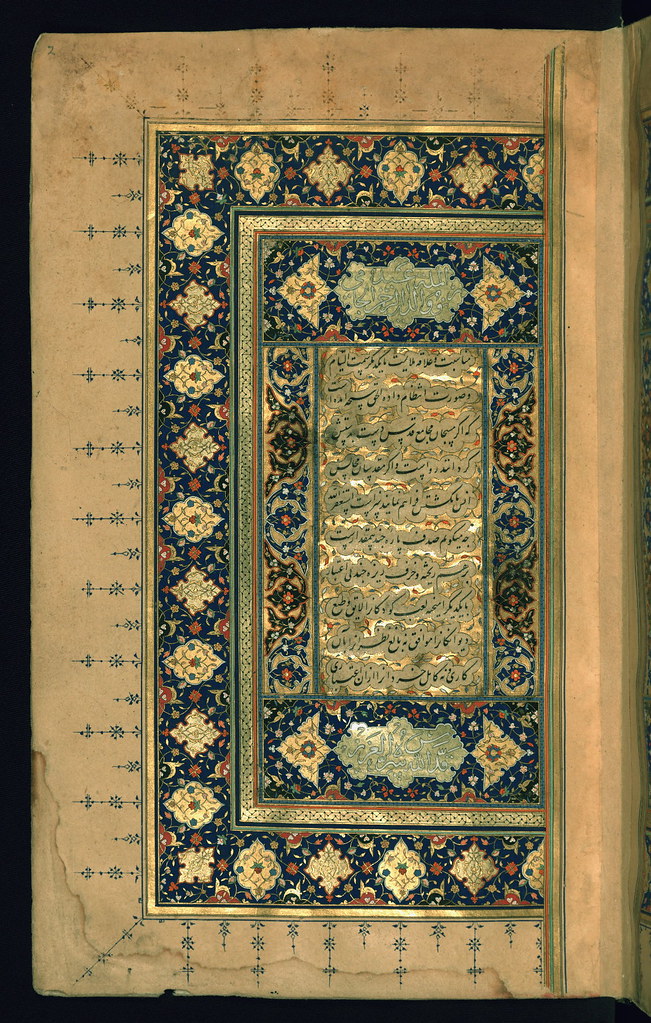
The musicality of his verses made them ideal for oral transmission. For generations, shepherds in the Zagros Mountains sang his quatrains, preserving them in living memory before they were committed to manuscript. This oral tradition, while ensuring survival, also makes attribution challenging; scholars debate which verses are authentically his.
Themes of Longing and Divine Love
Baba Taher’s poetry orbits around core Sufi themes: the pain of separation from the Beloved (God), the worthlessness of worldly attachments, and the paradox of seeking what is already present. His verses express a raw, unmediated longing:
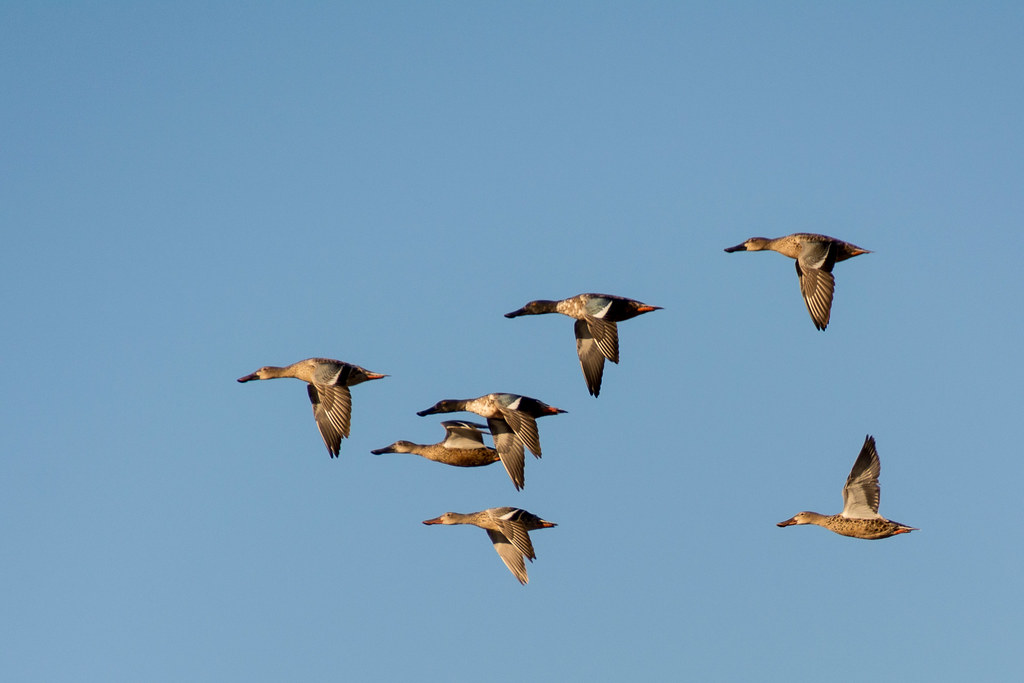
My heart is a bird of the wilderness, my friend
It cannot rest in a golden cage
I am that wandering madman
Who finds no comfort in this borrowed world
Unlike the intricate symbolic systems of later poets like Rumi or Hafez, Baba Taher’s mysticism is elemental. Mountains, birds, night, and solitude recur as natural symbols. His pain is visceral, his faith unadorned by theological complexity. This directness gives his work a timeless, universal quality (emotions recognizable across cultures and centuries).
Legacy and Influence
Baba Taher occupies a unique position in Persian literature. He stands as a bridge between the early Islamic mystical tradition and the great flowering of Sufi poetry in the 12th and 13th centuries. His use of vernacular language anticipated the folk poetry traditions that would develop throughout the Persian-speaking world.
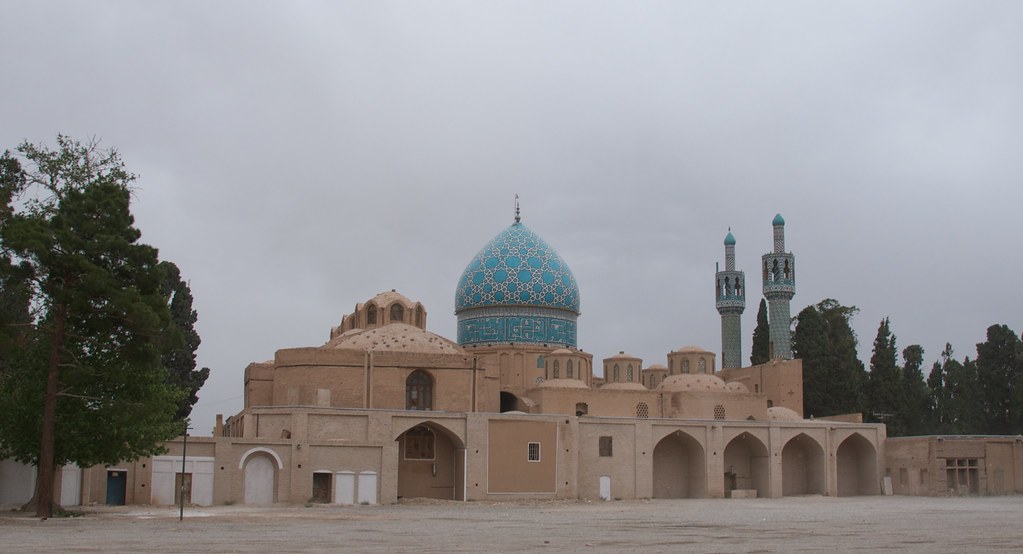
In modern Iran, Baba Taher is beloved as a regional and national treasure. His mausoleum in Hamadan, rebuilt in the 1970s, draws countless visitors. His verses are set to music, quoted in daily conversation, and memorized by schoolchildren. For the diaspora, his poetry offers something rare: profound spirituality in accessible language, wisdom without pretension.
In an age of complexity and information overload, Baba Taher’s simple quatrains remind us that the deepest truths often wear the plainest clothes. His legacy endures not in courts or libraries alone, but wherever a human heart knows the ache of longing for something beyond the material world.